
Posted: December 23, 2025
Juries Are Not Told About Insurance Coverage
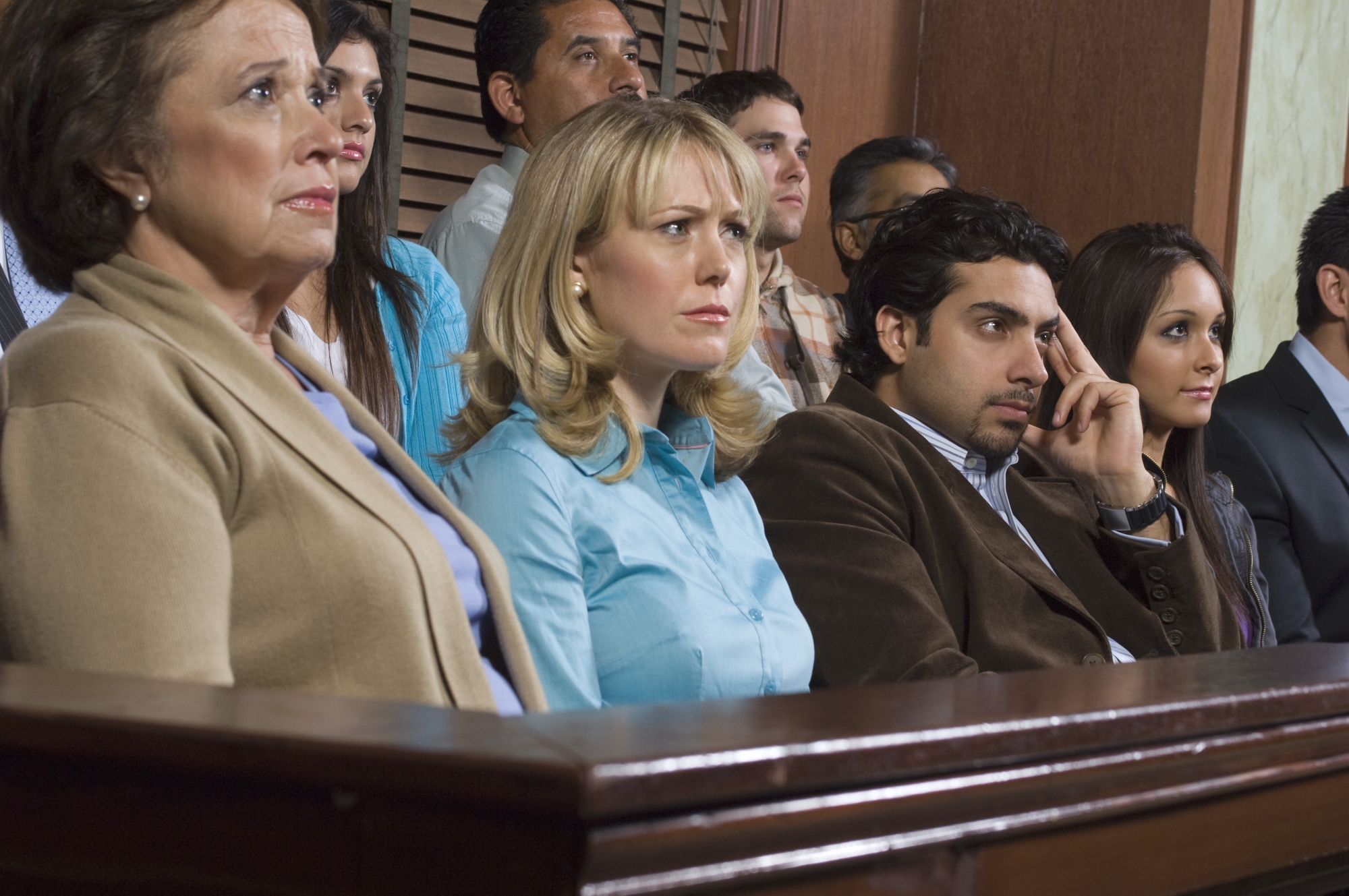
In the United States, there are rules about what evidence a jury can see and hear. Some of those rules have to do with whether the evidence that is being offered is actually valid--has proper scientific support, for example, or is something that came from a trustworthy source. There are other rules about whether the evidence offered is "relevant" to the case that the jury is deciding. For example, when considering whether a doctor malpracticed in treating the plaintiff, the jury is not allowed to hear about or consider whether the doctor made similar mistakes while treating other patients.
One of the most hotly defended rules for exclusion of evidence is the rule that says that juries can never be told about whether the defendant has insurance coverage to pay what a jury thinks he owes.
So you will never hear, for example, that most drivers in Texas have only $30,000 in insurance coverage, or that most doctors in Arkansas have at least $1 Million in medical malpractice coverage. Everyone has to pretend that insurance has nothing to do with why the parties are in trial. Nothing could be further from the truth.
In reality, in most cases the defendant would not be sued at all if he didn't have insurance. Most people don't have assets or bank accounts big enough to pay a large judgment against them, and there are laws preventing a successful plaintiff from foreclosing on a defendant's house or car or tools of their trade. An individual facing a large judgment without insurance can typically just declare bankruptcy. That has many serious lasting effects on the bankrupt person--but it usually prevents the injured plaintiff from getting much or anything.
Of course, a poor man also cannot afford a lawyer to defend him in a lawsuit against him.
Contrast that situation with a suit against a doctor or engineer who has millions of dollars in malpractice insurance. In that case, the insurance company will select and pay a lawyer to defend the claim and if necessary take the case to trial. The insurance company will pay the lawyer and whatever staff and expert witnesses are necessary, and the other expenses of the case. The insurance company may also have the right to make all decisions in the case--including whether or not to settle the case, and for how much. Thus it routinely happens that a case goes to trial when the defendant driver, or store owner, or doctor desperately wants the case settled or believes that the person suing him deserves to be paid for their injuries.
But the jury will never know that.
Of course, no jury in America is made up of idiots. When they see a group of expensively dressed lawyers using expensive equipment and hiring expensive experts, precisely nobody believes that the defendant they are representing doesn't have an insurance company paying for and directing the defense.